Category: New Courses

  • Cybersecurity Courses in India 2025: Complete Guide to Top Options, Fees and Career Scope

    Cybersecurity Courses in India 2025: Complete Guide to Top Options, Fees and Career Scope

    Introduction

    If you have been thinking about building a career in tech security, then cybersecurity courses in India are something you seriously need to explore right now. The demand for skilled cybersecurity professionals has gone through the roof in the last few years. Every company — from a small startup to a large bank — is worried about data breaches, hacking, and online fraud. And honestly, they should be.

    India is one of the fastest-growing digital economies in the world. That also means more digital threats. So the need for trained people who can protect systems, networks, and sensitive data has never been higher. Whether you are a fresh graduate, a working IT professional, or someone completely new to tech, 2025 is genuinely a good time to get into this field.

    This article covers everything — top course options, fees, eligibility, career scope, and some practical tips to help you choose the right path.

    What Is Cybersecurity and Why Does It Matter in India?

    Before jumping into courses, let’s be clear about what cybersecurity actually is. In simple terms, it is the practice of protecting digital systems, networks, and data from attacks, unauthorized access, and damage.

    Think about your Android phone. You have banking apps, photos, passwords, and personal messages stored on it. Cybersecurity professionals are the people who build and maintain the systems that keep that data safe. Now imagine this at a national level — hospitals, banks, government databases, e-commerce platforms — all of these need constant protection.

    India saw a sharp increase in cyber attacks post-2020. The government, private sector, and educational institutions have all responded by pushing for more trained talent. That is exactly why cybersecurity courses in India are now offered by hundreds of institutes, universities, and online platforms.

    Who Can Apply for Cybersecurity Courses in India?

    This is one of the most common questions I get. And the answer is fairly open.

    Most beginner-level cybersecurity courses in India only require you to have passed 12th standard (science stream preferred but not always mandatory). For advanced or postgraduate programs, a bachelor’s degree in computer science, IT, or a related field is usually needed.

    Some certification courses have no formal eligibility at all. If you have basic computer knowledge and genuine interest, you can start learning right away.

    Types of Cybersecurity Courses Available in India

    Short-Term Certification Courses

    These are the most popular entry point. They usually last 3 to 6 months and focus on specific skills — ethical hacking, network security, digital forensics, and so on.

    Certifications like CEH (Certified Ethical Hacker), CompTIA Security+, and CISSP are internationally recognized and widely pursued in India. Many cybersecurity courses in India are built around preparing students for these global certifications.

    Diploma and PG Diploma Programs

    These are one-year programs offered by several universities and private institutes. They give you a broader understanding compared to short certifications.

    They cover topics like cryptography, risk management, incident response, and secure software development. A diploma in cybersecurity from a recognized institute can significantly improve your job prospects.

    Bachelor’s Degree Programs

    A few universities now offer B.Tech or B.Sc programs with a specialization in cybersecurity. These are 3 to 4-year programs and are ideal if you are coming straight from school and want a strong technical foundation.

    Master’s Degree and Postgraduate Programs

    For those who already have a tech background and want to specialize further, an M.Tech or M.Sc in cybersecurity or information security is a great option. Some programs also have part-time or online formats for working professionals.

    Top Institutes Offering Cybersecurity Courses in India 2025

    IITs and NITs

    Several IITs and NITs now offer short-term executive programs and postgraduate courses in cybersecurity. IIT Bombay, IIT Madras, and IIT Delhi have run certificate programs through their continuing education platforms.

    These are highly credible options if you can get in. The duration is usually 3 to 6 months for certificate programs, and the fee ranges from ₹30,000 to ₹1,50,000 depending on the program.

    CDAC (Centre for Development of Advanced Computing)

    CDAC is one of the most trusted government institutions for tech education in India. They offer the Post Graduate Diploma in Cyber Security and Cyber Forensics, which is a well-structured 6-month program. The fee is generally around ₹50,000 to ₹80,000.

    DSCI (Data Security Council of India)

    DSCI is an industry body that runs training and certification programs specifically for the Indian market. Their programs are practical, industry-aligned, and recognized by major employers.

    Jain University, Symbiosis, and Amity University

    Several private universities now offer full B.Tech and M.Tech programs with cybersecurity specializations. Annual fees can range from ₹1,50,000 to ₹4,00,000 depending on the university.

    Online Platforms (Coursera, Udemy, NPTEL)

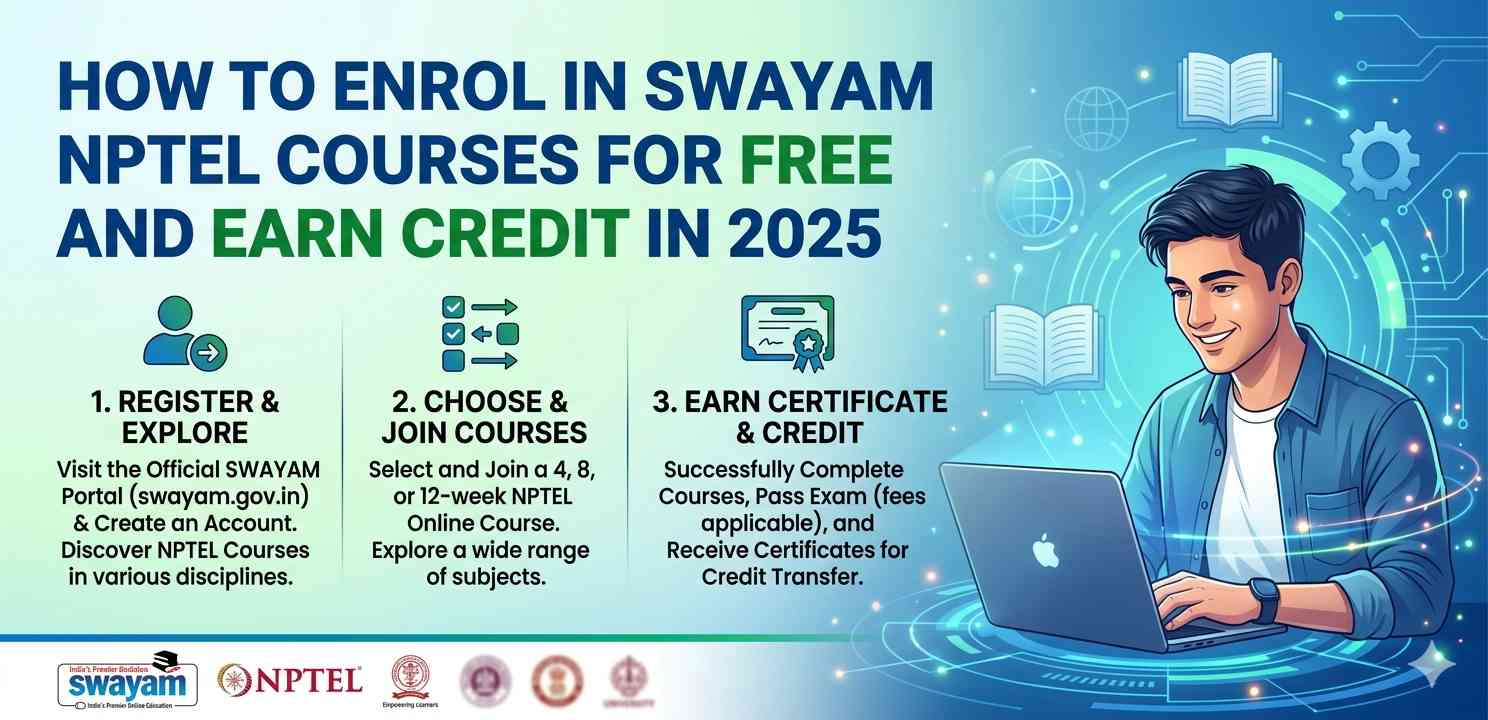
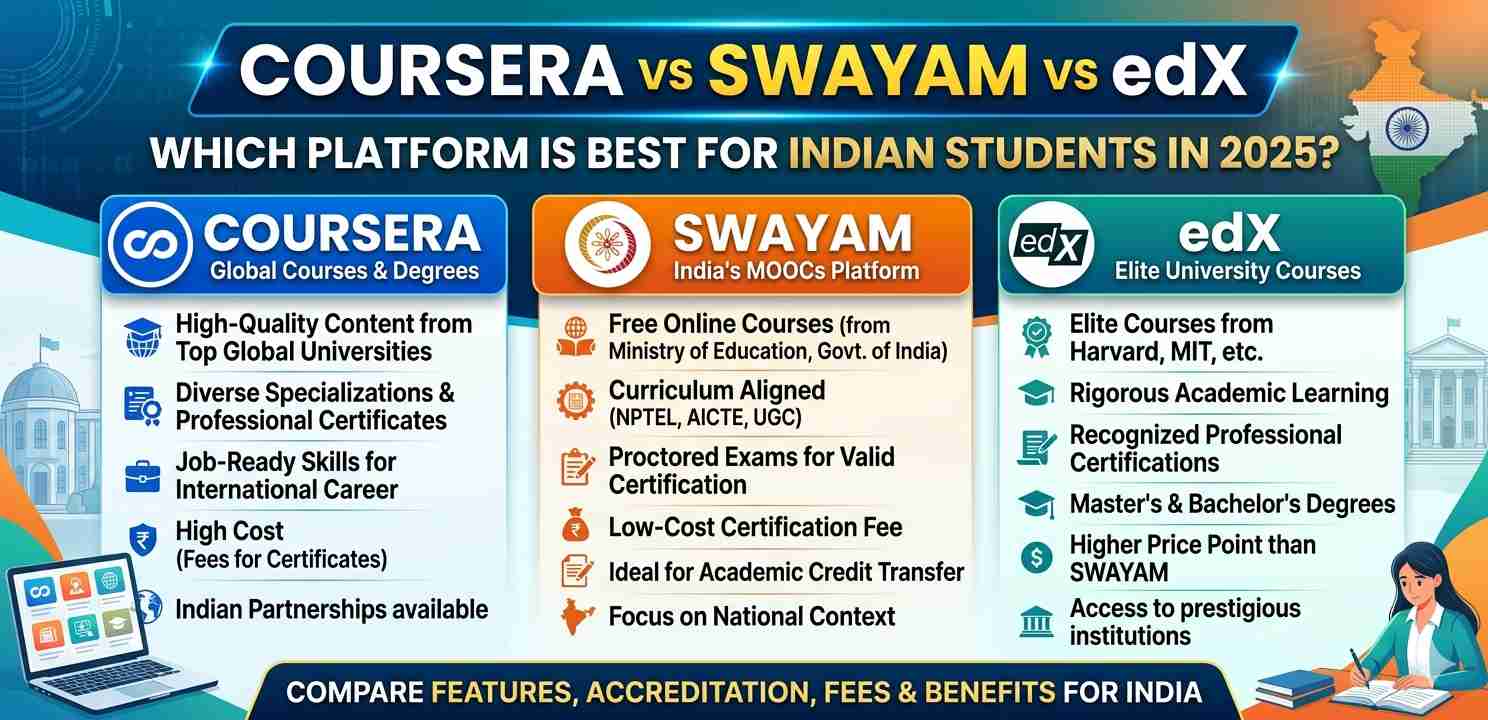
    If budget is a concern, online cybersecurity courses in India through NPTEL (free), Coursera (paid or financial aid), and Udemy (affordable) are very practical options. Many of these have tie-ups with companies like Google, IBM, and Palo Alto Networks.

    Course Fees: What to Expect in 2025

    Here is a rough fee breakdown to help you plan:

    Course TypeApproximate Fee Range
    Short certification (online)₹2,000 – ₹20,000
    Short certification (offline)₹15,000 – ₹60,000
    Diploma / PG Diploma₹40,000 – ₹1,20,000
    B.Tech / B.Sc (cybersecurity)₹1,50,000 – ₹4,00,000/year
    M.Tech / M.Sc₹60,000 – ₹3,00,000/year
    IIT executive programs₹30,000 – ₹1,50,000

    Fees vary widely. Always check the official institute website and confirm if the fee includes exam or certification costs.

    Key Topics Covered in Cybersecurity Courses

    Most cybersecurity courses in India cover a mix of the following topics, depending on the level:

    • Network Security — firewalls, VPNs, intrusion detection systems
    • Ethical Hacking and Penetration Testing — finding vulnerabilities before attackers do
    • Digital Forensics — investigating cybercrime and recovering data
    • Cryptography — encrypting and decrypting information
    • Cloud Security — protecting data stored in platforms like AWS or Google Cloud
    • Risk Management and Compliance — understanding legal frameworks like IT Act 2000
    • Incident Response — what to do when a breach happens

    Practical labs are a major part of good programs. Make sure the course you choose includes hands-on exercises and real-world case studies.

    Career Scope After Cybersecurity Courses in India

    This is honestly the most exciting part. The career scope for cybersecurity courses in India graduates is massive.

    Job Roles You Can Target

    • Ethical Hacker / Penetration Tester — companies hire these professionals to test their own systems for weaknesses
    • Security Analyst — monitors networks and responds to threats
    • Cybersecurity Consultant — advises businesses on how to improve their security posture
    • Digital Forensics Expert — works with law enforcement and corporates on cybercrime cases
    • Cloud Security Engineer — focuses on securing cloud infrastructure
    • Chief Information Security Officer (CISO) — a senior leadership role in large organizations

    Salary Expectations in 2025

    Entry-level professionals with relevant cybersecurity courses in India under their belt can expect salaries ranging from ₹4 LPA to ₹8 LPA. Mid-level roles (3–5 years experience) often command ₹12 LPA to ₹25 LPA. Senior specialists and CISOs can earn ₹40 LPA and above.

    These numbers vary by city, company, and specialization. But the trend is clearly upward.

    Industries Hiring Cybersecurity Professionals

    Banking and financial services, IT and software companies, government and defence, healthcare, telecom, and e-commerce — nearly every sector is actively hiring. According to NASSCOM, India faces a significant shortage of skilled cybersecurity professionals, which means job opportunities are only growing.

    You can also refer to DSCI’s official resource page for updated career guidance and certification paths relevant to the Indian market.

    How to Choose the Right Cybersecurity Course

    There are hundreds of options out there, which can feel overwhelming. Here are some practical filters to use:

    1. Define your current level. Are you a complete beginner or someone with a tech background? Beginners should start with foundational courses before jumping into advanced certifications.

    2. Check if it’s recognized. A certificate from a random private institute may not carry much weight. Look for programs tied to globally recognized certifications or reputed institutions.

    3. Evaluate the curriculum. A good cybersecurity course in India should have both theory and practical components. Ask about lab access, live projects, and mentorship.

    4. Look at placement records. For offline degree or diploma programs, check the placement history before enrolling.

    5. Consider your budget. There are genuinely good free and low-cost options available, especially online. Do not overpay for something you can learn effectively for less.

    If you are also exploring related tech fields, you might want to read about cloud computing career options in India and ethical hacking basics for beginners — both connect directly with cybersecurity and can give you a broader skill set.

    Common Mistakes Beginners Make

    A lot of people rush into expensive courses without building basics first. If you do not understand how the internet works, what an IP address is, or how operating systems function — advanced topics will feel confusing.

    Start with free resources. Learn networking basics. Get comfortable with Linux. Then move into structured cybersecurity courses in India that can take your skills to an employable level.

    Also, do not ignore soft skills. Communication, documentation, and problem-solving matter a lot in real cybersecurity jobs.

    Final Conclusion

    The digital security landscape in India is evolving fast, and the demand for skilled professionals is not slowing down. Whether you want a short certification to switch careers or a full degree program to build deep expertise, cybersecurity courses in India in 2025 offer something for everyone.

    The key is to start with clarity — know your current skill level, define your career goal, choose a recognized program, and commit to practical learning. The field rewards hands-on experience and continuous learning more than any piece of paper.

    If you are serious about entering this space, now is the right time to take that first step. The opportunities are real, the salaries are competitive, and the work genuinely matters.

  • How to Get a Free Digital Marketing Certificate in 2025 (Google, Meta and More)

    How to Get a Free Digital Marketing Certificate in 2025 (Google, Meta and More)

    Introduction

    If you’ve been searching for ways to build your career in digital marketing without spending money on expensive courses, you’re in the right place. Getting a free digital marketing certificate in 2025 is completely possible — and not just from unknown platforms either. We’re talking about certificates from Google, Meta, HubSpot, and other globally recognized names.

    A lot of people assume you need to pay thousands of rupees or dollars to get credentials worth something. That’s simply not true anymore. The landscape has changed a lot over the past few years. Major companies now offer free certification programs because they want more skilled people using their tools. It’s a win for them, and honestly, it’s a bigger win for you.

    This article will walk you through everything — which platforms to trust, how to actually complete the courses, and how to use the certificate once you have it.

    Why a Free Digital Marketing Certificate Still Holds Value

    Some people wonder if a free certificate is even worth adding to a resume. Honestly, that depends on where it comes from.

    A free digital marketing certificate from Google or Meta carries real weight. These are platforms that billions of people and businesses use every single day. When a hiring manager or freelance client sees that you’ve been certified by Google, it signals that you actually understand how their advertising systems work — not just theory.

    It’s different from a random certificate you’d download after watching a few YouTube videos. Structured courses with assessments test whether you’ve actually learned the material.

    That said, the certificate alone won’t get you a job. What matters is what you do with that knowledge. Combine it with a small portfolio — even a personal project or mock campaign — and you’re already ahead of most applicants.

    Top Platforms Offering a Free Digital Marketing Certificate in 2025

    1. Google Digital Garage

    Google’s free learning platform, Google Digital Garage, has been around for years and still offers one of the most comprehensive free digital marketing certificates available today.

    Their flagship course, “Fundamentals of Digital Marketing,” has 26 modules covering everything from SEO and social media to email marketing and analytics. It’s self-paced, which means you can study during lunch breaks or late at night — whatever works for your schedule.

    Once you pass the final exam, you get a certificate accredited by the Interactive Advertising Bureau Europe and The Open University. That’s not just some random logo — it’s actual accreditation.

    2. Meta Blueprint

    Meta (formerly Facebook) has a program called Meta Blueprint that lets you take free courses on advertising across Facebook, Instagram, WhatsApp, and Messenger.

    Some of the paid certifications do cost money, but many of the learning paths are completely free. If you’re planning to work in social media marketing or run ads for clients, getting familiar with Meta’s ecosystem is practically non-negotiable in 2025.

    The courses are broken into short lessons, usually 5–15 minutes each, so it doesn’t feel overwhelming.

    3. HubSpot Academy

    HubSpot Academy is one of the most generous platforms when it comes to free learning. Their free digital marketing certificate programs cover inbound marketing, content marketing, email marketing, social media strategy, and more.

    The best part? Their certificates don’t expire quickly, and the content is updated regularly. If you’re interested in B2B marketing or content-driven growth strategies, HubSpot’s certifications are especially relevant.

    You can find their full course catalog at HubSpot Academy’s website. No payment required for most courses — just sign up and start learning.

    4. Semrush Academy

    Semrush is primarily known as an SEO tool, but their Academy section offers free courses with certificates on topics like SEO fundamentals, PPC advertising, content marketing, and competitive research.

    For anyone who wants to work in search engine optimization or paid search, Semrush Academy is underrated. The courses are practical and grounded in real tool usage — not just concepts on slides.

    5. LinkedIn Learning (Free Trial Option)

    LinkedIn Learning isn’t permanently free, but they offer a one-month free trial that’s more than enough time to complete one or two certification-level courses. Once you finish a course, the certificate shows up directly on your LinkedIn profile — which is useful since recruiters spend a lot of time on that platform.

    If you plan your time well, you can complete a solid free digital marketing certificate course and cancel before the trial ends.

    How to Choose the Right Free Digital Marketing Certificate

    With so many options available, it’s easy to feel stuck. Here’s a simple way to think about it:

    Ask yourself what kind of digital marketing you actually want to do.

    If you’re interested in running paid ads, go with Google Skillshop (for Google Ads) or Meta Blueprint. If you prefer content, email, or inbound marketing, HubSpot Academy is the better fit. If SEO is your thing, Semrush Academy or Google’s own Analytics certification might serve you better.

    There’s no single “best” certificate — the right one depends on the direction you want to take your career.

    Step-by-Step: How to Earn Your Free Digital Marketing Certificate

    Getting a free digital marketing certificate doesn’t have to be complicated. Here’s a basic process that works across most platforms:

    Step 1 – Create a free account on the platform of your choice (Google, HubSpot, Meta, etc.)

    Step 2 – Browse their course catalog and pick a certification track relevant to your goals

    Step 3 – Study the modules at your own pace, taking notes on key concepts

    Step 4 – Complete any quizzes or assessments during the course

    Step 5 – Pass the final exam (most platforms allow retakes if you don’t pass the first time)

    Step 6 – Download or share your certificate — most platforms let you add it directly to LinkedIn

    That’s it. No payment, no complicated enrollment process. Just time and consistency.

    Common Mistakes to Avoid

    One mistake people make is rushing through the material just to get the certificate. That approach might work in the short term, but you’ll struggle when someone actually asks you to apply that knowledge.

    Another thing to avoid is collecting too many certificates without going deep on any topic. It’s better to be genuinely skilled in two or three areas than to have fifteen certificates that don’t reflect real understanding.

    Also, keep your certificates updated. Some platforms require renewal every year or two. A free digital marketing certificate that expired three years ago sends the wrong signal.

    How to Use Your Certificate Effectively

    Once you have your free digital marketing certificate, the next step is making it visible:

    • Add it to your LinkedIn profile under the Licenses & Certifications section
    • Mention it in your resume or CV with the issuing organization and date
    • Include it in your freelance profiles (Fiverr, Upwork, etc.)
    • Reference it in client proposals to build trust

    Pair the certificate with practical work — even unpaid projects for friends, local businesses, or personal blogs — and you’ll have a much stronger story to tell.

    Is a Free Digital Marketing Certificate Enough to Get a Job?

    Honestly, it depends on the role and how competitive the market is in your area. For entry-level positions or freelance work, a free digital marketing certificate from a respected platform is often enough to get your foot in the door.

    For more advanced roles, companies will look at your portfolio, past results, and how well you can think strategically. The certificate opens the conversation — your skills close the deal.

    Final Conclusion

    Getting a free digital marketing certificate in 2025 has never been more accessible. Platforms like Google, Meta, HubSpot, and Semrush have made it possible for anyone with an internet connection and a bit of dedication to earn credentials that actually mean something.

    Start with one platform that aligns with your goals, commit to finishing the course properly, and then put that knowledge to work in real projects. The certificate matters — but what you build with the skills matters even more. Don’t wait for the “perfect” time. Pick a course today and start.